When Is It Too Early for Pumpkin Spice Lattes?
Every August, somebody sees a pumpkin spice latte while it's still 98 degrees outside and decides we've gone too far.
We understand the complaint. There is something objectively strange about walking across a sun-baked parking lot in shorts to buy a drink meant to evoke sweaters, falling leaves and cold mornings. It gets stranger every year when the first fall menus arrive before some schools have even started.
But if you run a coffee shop, “it doesn't feel like fall yet” isn't much of a menu strategy.
The better question is whether customers are ready to buy fall yet. And on that question, the data is becoming pretty clear: a lot of them are.
DoorDash looked at its 2024 ordering data and found that pumpkin spice latte demand spiked around August 19, nearly two weeks earlier than it had in 2021. More interestingly, grocery orders for the ingredients people use to make fall drinks at home started climbing in late July. Customers weren't simply showing up for pumpkin because a national chain put it on a menu; at least some of them were already looking for fall before the big launches arrived.
That doesn't mean we should start putting pumpkins on the counter in July. It does mean the old assumption that pumpkin belongs strictly to September and October is getting harder to defend.
This year, Starbucks brought the Pumpkin Spice Latte back on August 25. Its fall menu goes well beyond the original PSL, with Pumpkin Cream Cold Brew and Iced Pumpkin Cream Chai returning alongside a new Iced Pumpkin Cream Shaken Espresso, Pumpkin Spice Chai and Iced Pumpkin Cream Matcha. Pecan is back too.
That's a pretty good snapshot of where fall coffee is in 2026. Pumpkin is still the anchor, but the hot pumpkin spice latte isn't really the whole story anymore.
And that's where the “too early” argument gets interesting.
There Isn't One Pumpkin Spice Season
August 25 is a launch date. It isn't a law.
Starbucks needs a national date because Starbucks has a national marketing campaign and a supply chain serving thousands of stores. An independent shop in Texas doesn't need to pretend its fall starts on the same Tuesday as a café in Montana.
The ordering data gives us a good reason not to.
When DoorDash broke fall flavor preferences down by state, Alaska and Montana ordered the most pumpkin spice lattes per person. Pumpkin was also especially strong in parts of the West. Texas, meanwhile, stood out for pecan. Michigan went for maple, several New England states leaned heavily toward cinnamon, and apple performed well across a number of states. DoorDash eventually named pecan its breakout fall flavor after demand grew 28% year over year.
None of that means you should rip pumpkin off the menu if you happen to be in Texas. It means “fall” isn't one flavor, and it certainly isn't one date.
Weather complicates it even more.
If the first genuinely cool mornings have already arrived, a hot pumpkin latte makes intuitive sense. If the afternoon heat index is still flirting with triple digits, maybe your customers want fall without the steamed milk.
This is why we think coffee shops need to separate pumpkin season from hot-latte season.
Those used to be almost the same thing. They aren't anymore.
Look again at the Starbucks menu this year. Pumpkin is showing up on cold brew, shaken espresso, iced chai and iced matcha. Even Starbucks' marketing around the PSL acknowledges the iced side of the category. The company isn't waiting for sweater weather because its customers aren't waiting for sweater weather.
That fits a much larger shift in coffee.
Datassential reports that cold brew now appears on 66.2% of coffee and bakery quick-service menus, up 22.9% over four years. More broadly, the country's leading chains launched 1,221 beverage limited-time offers in 2025, up from 1,038 the year before. Scooter's alone launched 122. Dutch Bros launched 96. Starbucks launched 58.
That is a staggering amount of beverage churn, and it tells us something important about the modern coffee customer. Seasonal drinks don't have to wait for a seasonal change in drinking habits. The flavor can change while the format stays familiar.
If we're running a shop in Texas in mid-August, we're probably not leading the fall menu with a steaming 16-ounce PSL. We'd be much more interested in a pumpkin shaken espresso, pumpkin cream cold brew or iced chai with pumpkin cream on top.
Same season. Same ingredient. Much better fit for the actual day outside.
Pumpkin Isn't Dead. Boring Pumpkin Might Be.
There's another wrinkle in the 2026 data, because while customers seem willing to start fall earlier, pumpkin spice itself may be losing some of its novelty.
Tastewise's recent seasonal analysis puts pumpkin spice at 4.86% of its seasonal dataset, down 24.5% over the previous year, and classifies it as being in a declining lifecycle stage. Its advice to brands is unusually direct: protect the volume, but stop treating pumpkin spice as the place to invest for growth.
DoorDash arrived at a similar conclusion from a different dataset. Pumpkin spice is still strong, but the company sees signs that it may be reaching a peak while customers look for other ways to experience fall. Pecan was the obvious winner in its analysis.
You can see the same thing playing out on actual menus.
Starbucks hasn't abandoned pumpkin in 2026. Far from it. But it has surrounded pumpkin with pecan, banana-bread-inspired drinks and Chaider, its chai-and-cider combination.
McDonald's went in a different direction. Its promoted fall coffee platform this year is Caramel Apple Pie, offered as hot and iced lattes, iced coffee and a frappé. The company still has a Pumpkin Spice Latte product page online, but Caramel Apple Pie is the seasonal coffee story it's pushing for fall 2026.
That doesn't look like the death of pumpkin spice to us. It looks more like pumpkin finally becoming what vanilla has been for years: familiar, expected and useful, but not especially innovative by itself.
That's an important distinction for independent shops.
Putting pumpkin syrup into a latte is no longer product development. Customers already know exactly what that drink is supposed to taste like. There is nothing wrong with serving it—in fact, we'd argue most shops should—but it shouldn't consume the entire fall menu.
The opportunity is in what you build around it.
Build a Fall Menu, Not a Pumpkin Menu
This is where the trend discussion turns into an operations discussion.
We would much rather bring one good pumpkin ingredient into a shop and find six sensible uses for it than order six different seasonal ingredients that will all be gathering dust by December.
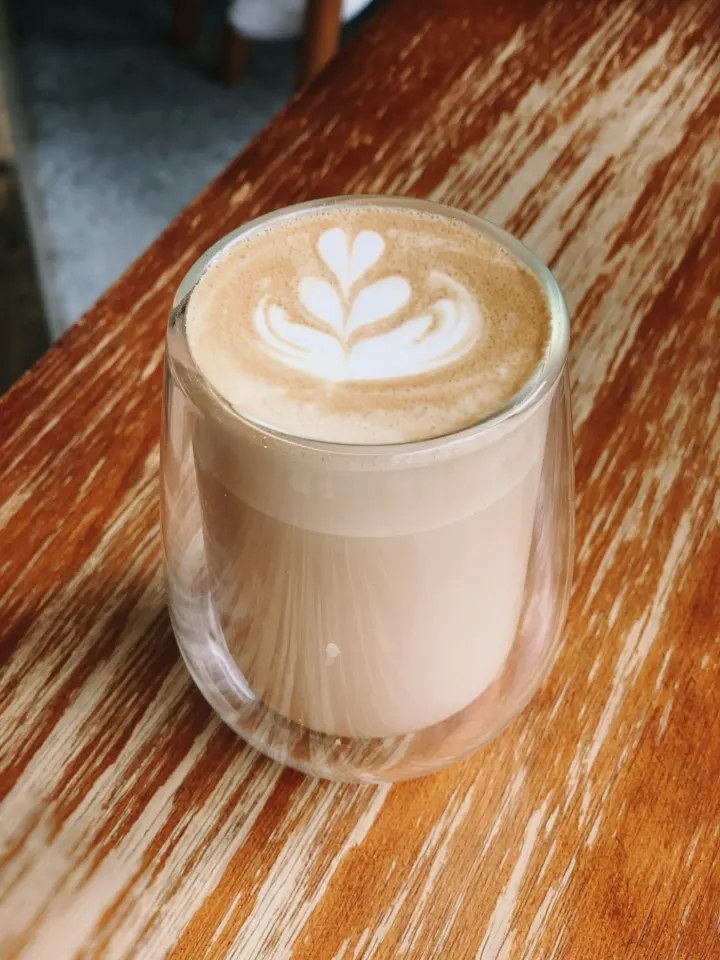
Start with the obvious drink: the Pumpkin Spice Latte. It should be good. It should taste like espresso, pumpkin and baking spices rather than liquefied candle. And because customers expect it, there's no reason to get overly clever with it.
From there, build outward.
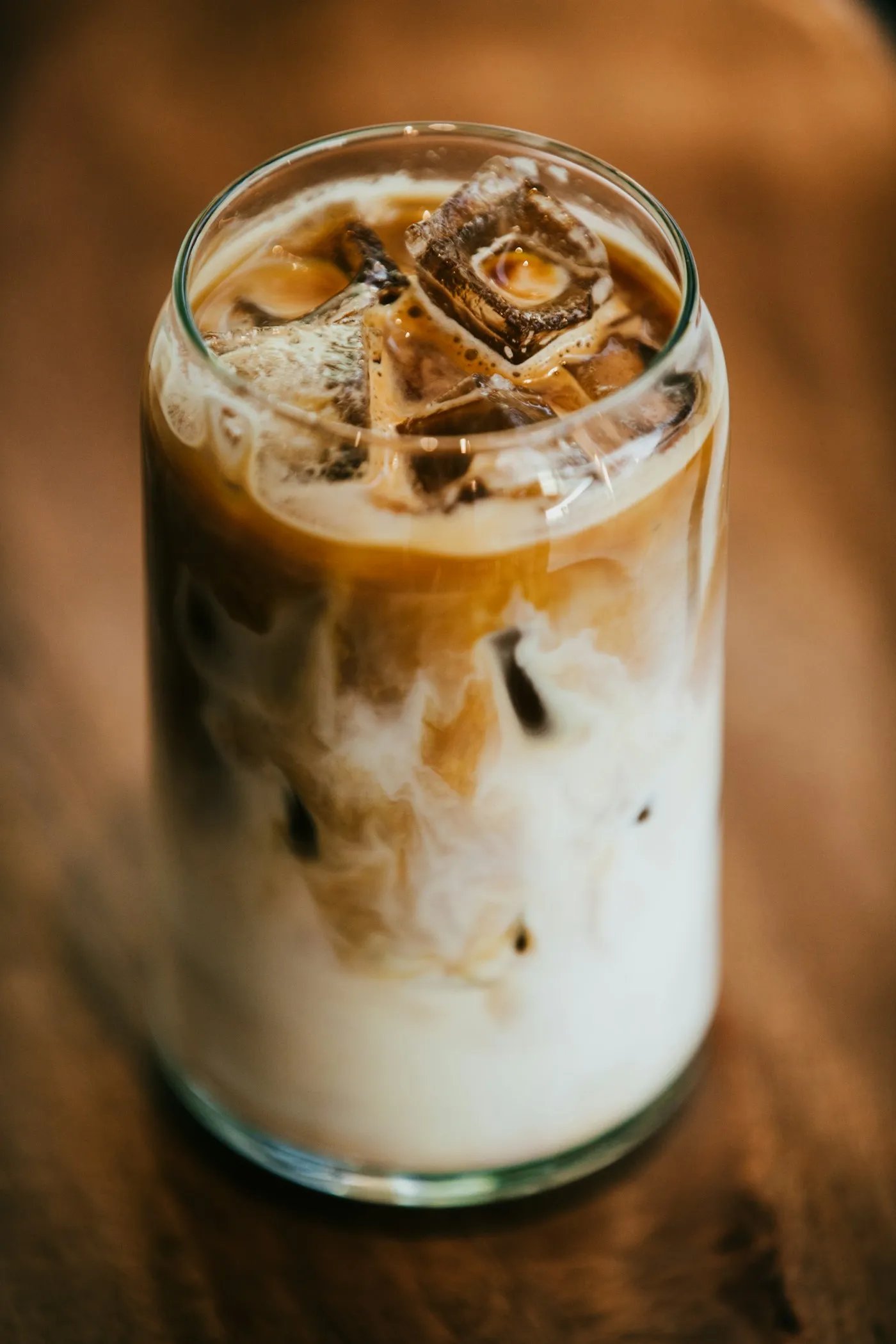
An Iced Pumpkin Spice Latte gives the traditional customer a warm-weather option, but we'd go further than simply pouring the same formula over ice. Cold drinks mute and emphasize different things, so the iced version deserves its own balance.
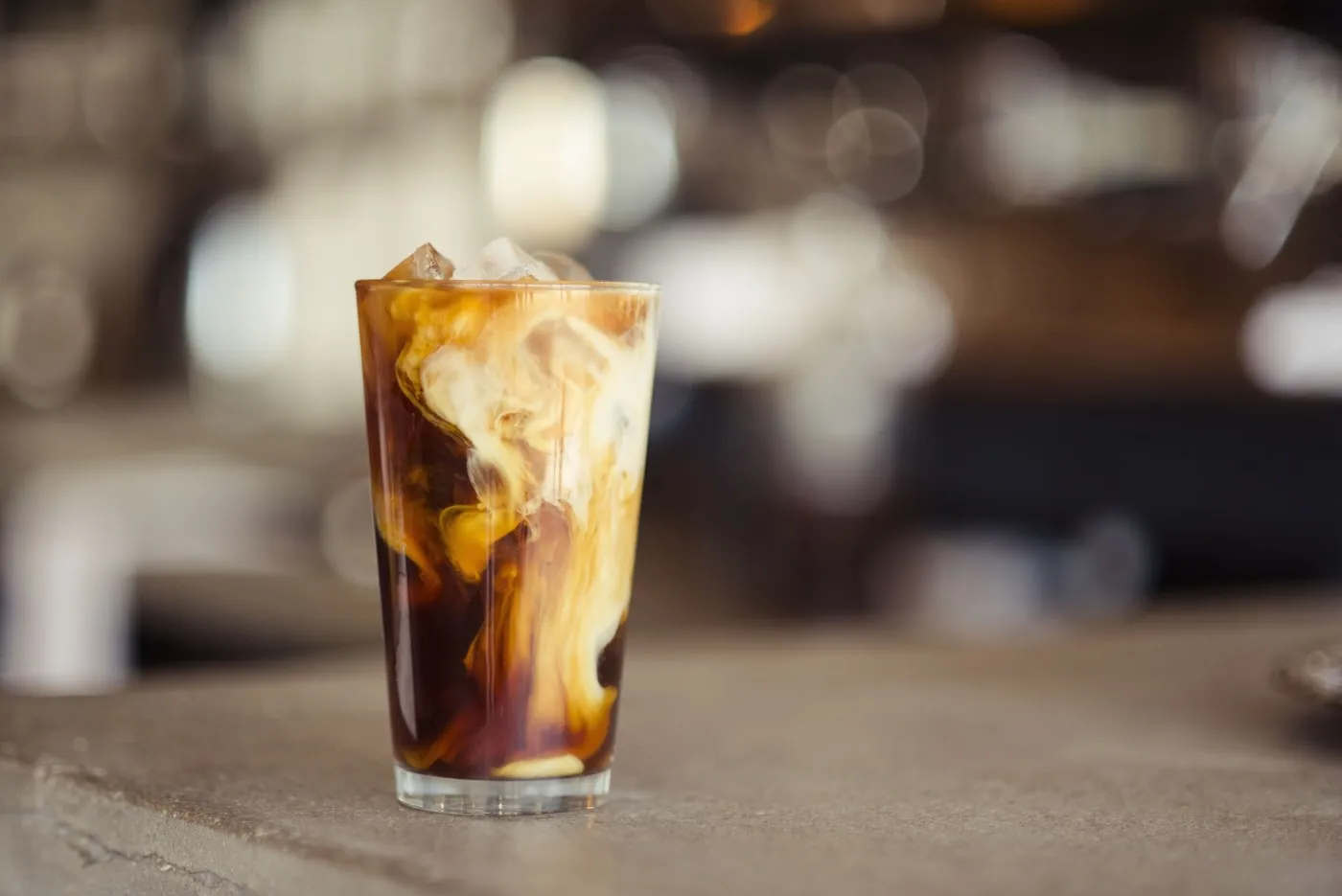
A Pumpkin Spice Shaken Espresso makes even more sense as an early-season drink. Espresso, pumpkin, a little brown sugar or vanilla, ice and milk give you something that reads unmistakably as fall without drinking like dessert in a mug.
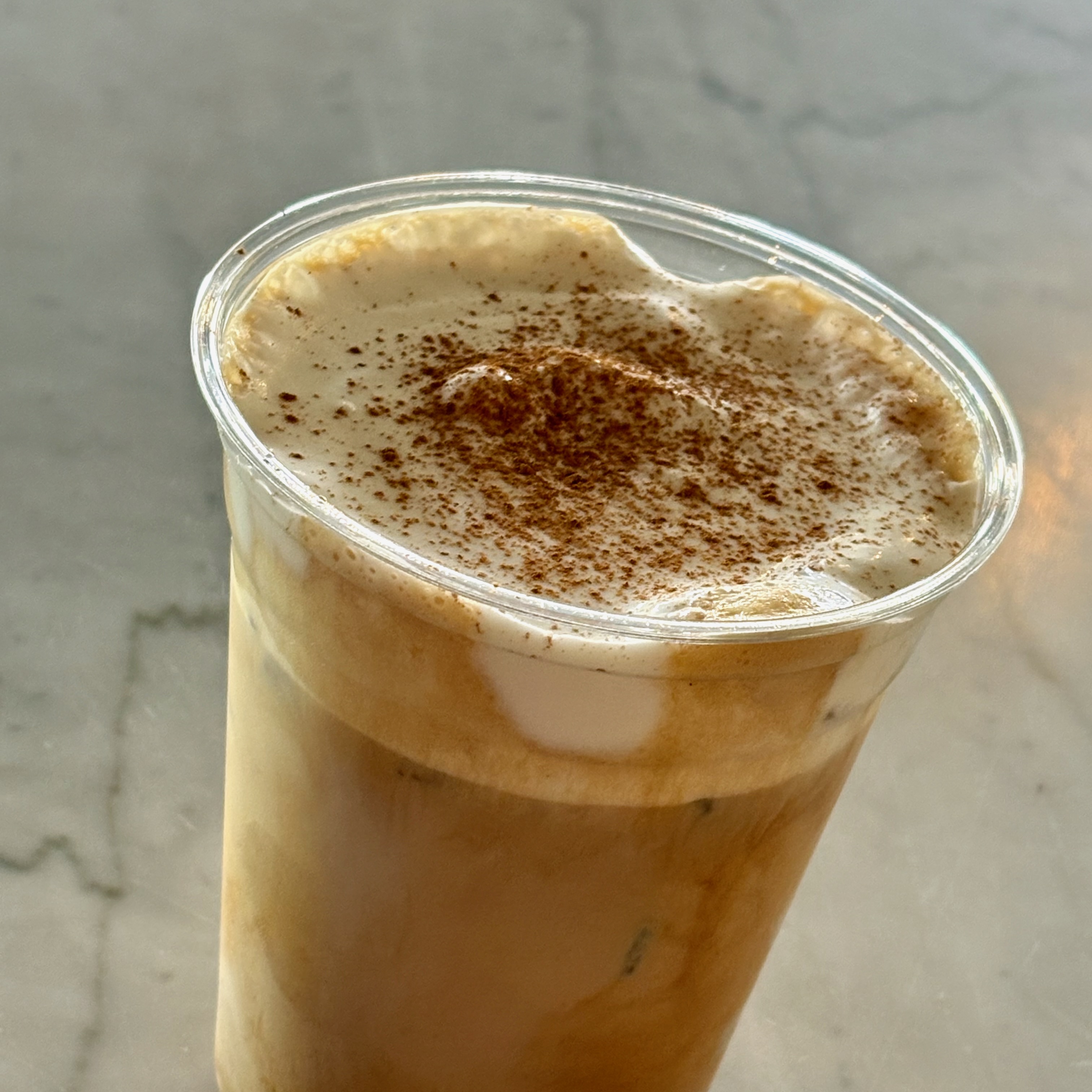
Then there is Pumpkin Cream Cold Brew, which may be one of the more useful seasonal formats from an operator's perspective. You aren't creating an entirely new beverage platform. You're taking something already on the menu and changing the top of it.
The same pumpkin cream can go onto chai. Or an iced latte. Or a shaken espresso. If your customers are into it, it can go onto matcha too—Starbucks is testing that proposition at national scale this year.
That's how we prefer to think about seasonal menu development: not as a collection of isolated recipes, but as a system.
One pumpkin component might support a latte, shaken espresso, cold brew and chai. One pecan syrup might work in a cortado, latte and cold foam. Apple can move between chai and espresso if the recipes are actually developed for those bases instead of just adding two pumps to everything and hoping for the best.
It makes the menu more interesting without making the bar ridiculous.
And the industry is moving in that direction whether independent shops do or not. Datassential's 1,221 beverage LTOs aren't evidence that every café needs 1,221 ideas. They're evidence that customers have become accustomed to seeing menus move. The chains have figured out that a new beverage gives regular customers a reason to look at the menu again without requiring the restaurant to reinvent itself.
For a small shop, the trick is getting that novelty without the operational mess.
A Pumpkin Menu We Would Actually Run
If we were building around one pumpkin ingredient, we'd start here:
Pumpkin Spice Latte
The standard. Espresso, pumpkin spice, milk and a spice finish.
Iced Pumpkin Spice Latte
Not just the hot recipe dumped over ice. Rebalance it for the dilution and colder serving temperature.
Pumpkin Spice Shaken Espresso
Espresso, pumpkin and a complementary brown-sugar or vanilla note, shaken over ice and finished with milk.
Pumpkin Cream Cold Brew
Cold brew topped with pumpkin cream rather than pumpkin syrup being forced into the coffee itself.
Pumpkin Cream Chai
An easy pairing because the chai is already bringing many of the warming spices customers associate with fall.
Pumpkin Spice Cream Top
This is the component we'd really pay attention to. Build it once, cost it once and use it across several drinks.
Those should eventually be individual Barista Forge recipes, with the cream top treated as a component that can be referenced by the drinks using it rather than rewritten six times.
That's not just cleaner recipe management. It's how a bar actually works.
The Fall Menu Should Move Before Fall Is Over
Launching earlier creates a problem nobody talks about enough: if pumpkin comes out in mid-August and stays untouched until Thanksgiving, you've asked one menu to remain exciting for more than three months.
That's a long time.
The same DoorDash data showing earlier pumpkin demand also shows customers branching into pecan, apple, caramel, cinnamon and maple. Tastewise, meanwhile, argues that broader seasonal signals are shifting away from rigid calendar-based behavior.
So don't think of “the fall menu” as one laminated board.
Think of it as a progression.
We'd let pumpkin start appearing in August, particularly in cold drinks. By late August or early September, the traditional PSL gets the spotlight and the full fall menu comes online.
Then September should start opening up.
Pecan is an obvious pairing, especially in markets where customers already respond to it. Pumpkin and pecan can coexist easily enough without feeling like two versions of the same drink.
By October, apple, caramel, maple, cinnamon, toasted flavors and Halloween specials can take more of the attention. Pumpkin doesn't have to leave. It just stops carrying the entire seasonal program.
By November, the menu can naturally lean toward pie, pecan, maple, brown sugar and flavors that bridge fall into the holidays.
Now you've created four months of reasons for a regular customer to notice the menu instead of launching six pumpkin drinks on August 20 and wondering why nobody is excited about them on November 10.
It also happens to line up with where flavor development is heading more broadly.
Monin's 2026 trend forecast isn't centered on pumpkin at all. It points toward nostalgia and escapism, global flavor exploration, sweet-savory combinations, natural color and functional beverages. It specifically calls out textural elements like cold foam as part of the opportunity.
That's worth paying attention to. Customers may still want the ritual of fall, but the flavor that creates that feeling doesn't have to be pumpkin every time.
Should You Just Keep Pumpkin Year-Round?
Probably.
There. We said it.
We are not suggesting a giant PUMPKIN IS HERE chalkboard in April. Please don't do that.
But there is a difference between a flavor being available and a flavor being promoted.
If pumpkin is an ingredient you can reasonably stock, the shelf life works for your operation and a regular walks in on February 12 wanting a pumpkin latte, we have a hard time coming up with a compelling business reason to refuse to sell it.
We don't take vanilla away when vanilla isn't trending. Hazelnut doesn't go into storage until an approved hazelnut season arrives.
Seasonality is valuable because of the attention it creates. A seasonal launch gives you something to put on the menu board, something to photograph, something to send in an email and something for regular customers to try. Making every seasonal flavor a permanent featured drink would absolutely dilute that.
Keeping a bottle available is different.
This is also where your own sales data should beat somebody else's trend report. If twelve people order pumpkin in March, that's interesting. If one person does, maybe you're just making one person happy. Both are perfectly fine outcomes as long as carrying the ingredient makes sense.
We'd just stop confusing the marketing calendar with permission to make the drink.
So When Is It Actually Too Early?
Fine. Here's our ruling.
June: No. You know what you did.
July: Secret-menu territory. If somebody specifically asks and you have pumpkin around, we're not calling the police. We're also not hanging the fall banner.
Early August: This is where geography matters. In some markets, you're probably fine. In others, you're going to get made fun of, and perhaps deservedly so.
Mid-August: Cold pumpkin drinks are fair game. The customer demand is there, and there's enough evidence now that people are actively looking for fall before the traditional season begins.
Late August: Pumpkin season is here. Stop pretending you're preserving the sanctity of autumn by waiting another six days.
September: Full send.
But the date isn't really the point.
The useful lesson from all of this research isn't that August 19 has replaced September 1 as the Official First Day of Pumpkin Spice. There isn't one.
The big chains need a national launch date. You don't.
An independent coffee shop gets to pay attention to the weather outside, the drinks its customers already buy, the flavors that work in its market and, most importantly, its own sales data.
If your customers start asking for pumpkin in August, sell them pumpkin.
If it's 103 degrees outside, maybe don't insist they drink it hot.
If pecan sells better in your market, give pecan some room.
And if you're still serving the exact same six pumpkin drinks in November that you launched in August, the problem probably isn't that pumpkin season started too early.
You just forgot to give them something new.
Pumpkin spice in August isn't particularly controversial anymore.
Serving the same pumpkin latte as everybody else might be.